Why Cross Bracing Is Essential When Building with the RIBBY 32 mm Pipe Bracket System
When building a frame, rack, trolley or workstation using 32 mm tubing and the RIBBY bracket system, most people focus on strong joints and correct support spacing. However, one element determines whether your structure feels solid — or shaky:
Cross bracing.
Without it, even a well-built frame can move, twist, and eventually fail. With it, the same structure becomes rigid, safe and long-lasting. This guide explains why cross bracing matters and how it protects your project in real South African working conditions — workshops, farms, factories and outdoor installations.
What Is Cross Bracing?
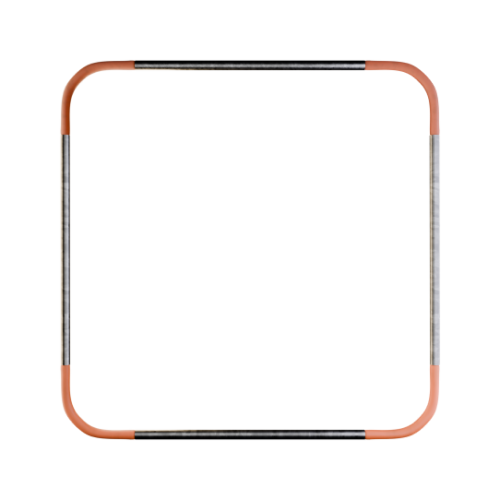
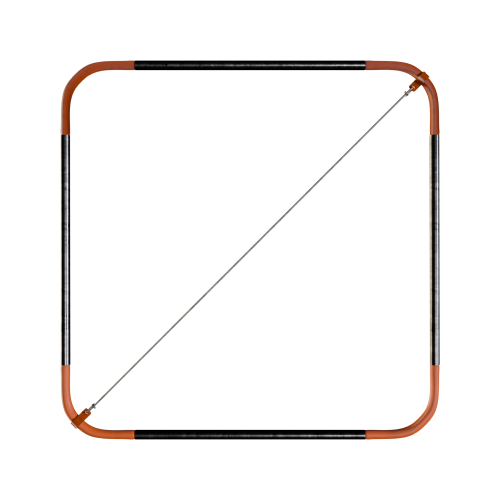
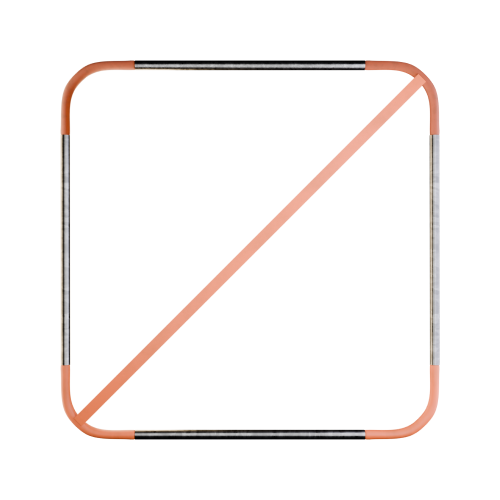
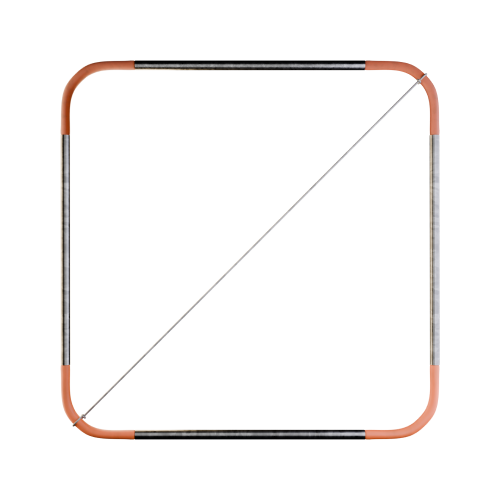
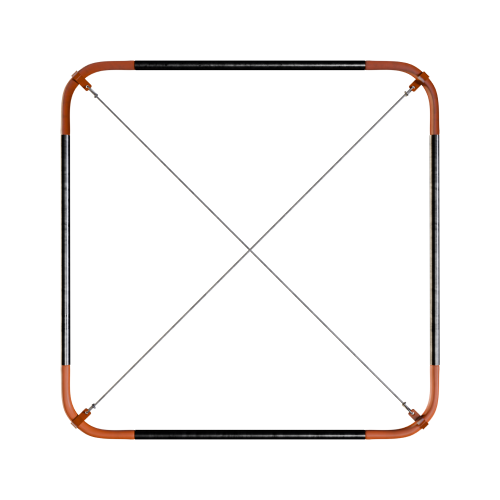
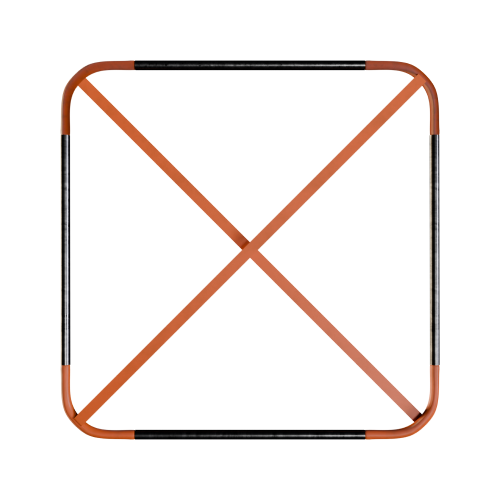
Cross bracing is a diagonal support placed between two points in a frame. Instead of only vertical and horizontal pipes, you add a diagonal line across the rectangle.
You can install it using:
RIBBY stay clamps
Flat bar
Steel cable
Galvanised wire
The moment the diagonal is added, the frame stops behaving like a flexible rectangle and starts behaving like a rigid triangle.
Why Cross Bracing Is Important
1. Resists Sideways Forces
Wind, pushing loads, uneven floors, and moving equipment all create lateral forces (sideways pressure).
Without cross bracing:
Frames sway
Shelves wobble
Tall structures feel unsafe
With cross bracing:
Movement is resisted
The frame stays stable
The structure feels solid
This is especially important outdoors in South African conditions where wind and uneven surfaces are common.
2. Prevents Racking (Frame Distortion)
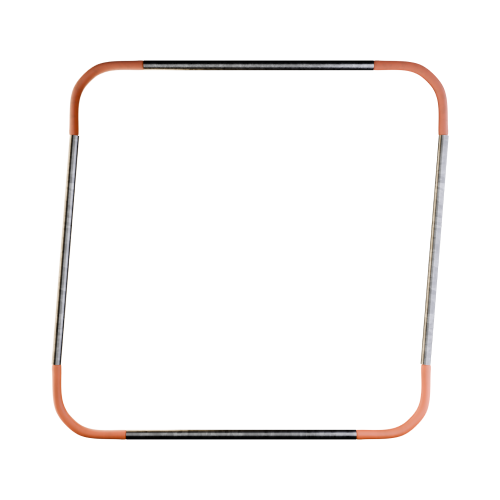
Rectangular frames naturally want to deform into a diamond shape. This is called racking.
Once racking starts:
Joints loosen
Pipes bend
Connections wear out
The structure eventually collapses
Cross bracing locks the geometry in place and keeps the frame square permanently.
3. Distributes Loads Properly
A frame without bracing concentrates stress at the joints. Over time, the RIBBY brackets and pipes carry uneven force.
Diagonal bracing spreads the load across the entire structure:
Less stress on individual brackets
Longer lifespan
Stronger overall build
Improved safety
4. The Most Cost-Effective Strength Upgrade
Adding more legs or thicker pipe increases cost and weight. Adding one diagonal brace dramatically increases strength.
Therefore cross bracing is:
Cheaper
Lighter
Faster to install
More effective
It gives the biggest strength improvement for the smallest material cost.
Real-World Example
Imagine a square picture frame. Push one corner and it easily twists into a diamond shape. Now add a diagonal bar across it. Suddenly it refuses to move. That is exactly what happens to a RIBBY frame when cross bracing is installed.
Where You Should Always Add Cross Bracing
You should include cross bracing when building:
Shelving systems
Work benches
Tool racks
Trolleys
Storage frames
Roof carriers
Agricultural frames
Tall structures (over 1 m high)
Outdoor installations
As a rule: If the structure is taller than it is wide, it must have bracing.
Best Practice Tips
✔ Install bracing on at least one side of every frame section ✔ For large structures, brace both directions ✔ Taller structures need more bracing ✔ Always brace mobile structures (trolleys) ✔ Use cables for adjustable tension if needed